
A physician’s deposition is rarely about the physician. It is about the case the deposing lawyer is trying to build, and the physician is the witness whose testimony will be used to build or break it. In Florida personal injury, PIP, workers’ compensation, and medical malpractice litigation, physicians are deposed constantly, often as fact witnesses, sometimes as retained experts, and almost always under questioning designed to extract testimony that will be used against them, their patients, their practices, or their employers for years afterward.
Most physicians appear at these depositions without representation. They sit across from an experienced defense lawyer, often for several hours, while questioning moves through their billing, their treatment decisions, their prior testimony, their finances, and sometimes their personal lives. No one at the table is responsible for them. They leave the deposition having created a record they cannot take back. Topkin Law represents treating physicians, retained experts, IME and peer review doctors, and the practices and firms that employ them at every stage of the deposition process: subpoena response, motion practice, preparation, the deposition itself, and the post-deposition record. Our presence in the room is, first and foremost, a protective one.
We represent treating physicians and treatment teams subpoenaed in third-party personal injury cases, particularly where defense counsel attacks letters of protection, billing patterns, the physician’s relationship with referring counsel, treatment decisions, the medical necessity of care, and the physician’s prior testimony in other cases. The questioning in these depositions is often designed to undermine the physician’s credibility, the patient’s case, and the practice’s business model in a single sitting. Our role is to keep the deposition within proper bounds, protect the physician from overreach, and preserve the integrity of the testimony.
We represent treating physicians and PIP clinics in depositions taken in connection with PIP litigation, declaratory judgment actions, SIU investigations, and civil theft demands under Florida Statute 772.11. The questioning typically focuses on reasonable, related, and medically necessary determinations, lawful charges under the no-fault statute, clinic licensure, billing patterns, and any allegation of pattern fraud. SIU investigators and carrier counsel are well-practiced at building affirmative claims out of physician testimony. We are well-practiced at preventing it.

We represent treating physicians, authorized providers, and IME doctors deposed in Florida workers’ compensation litigation. Questioning in this context typically focuses on causation, MMI, work restrictions, apportionment between accident-related and pre-existing conditions, and the physician’s prior testimony in other comp matters. The carriers, self-insured employers, and TPAs driving this work retain experienced defense counsel who know how to use a treating doctor’s deposition to defeat a claim.
We represent treating physicians deposed as fact witnesses in medical malpractice cases, including providers who treated the plaintiff before or after the alleged malpractice and whose testimony can establish or undermine standard of care, causation, and damages. We also represent physicians in pre-suit deposition and informal discovery under Florida’s medical malpractice presuit framework, where the physician’s statements carry significant weight in the carrier’s evaluation of the claim.
We represent retained medical experts in depositions where the attack focuses on compensation, prior testimony, methodology, the basis for the expert’s opinions, and the scope of review. We also represent IME doctors and peer review physicians retained by carriers, employers, and TPAs whose work is now being challenged by claimant’s counsel. Florida courts give wide latitude on expert and IME cross-examination, and an unrepresented witness can find themselves answering questions about prior cases, financial relationships, and personal matters that have no proper place in the record.
A substantial portion of this work happens before the deposition takes place. We move to quash improper subpoenas, move for protective orders, negotiate the scope and timing of testimony with deposing counsel, and shape what the physician will and will not be required to address. In many cases, the most valuable work the firm does is narrowing the deposition before the physician ever sits down.
Experienced defense lawyers know exactly how far they can push a witness who has no counsel in the room, and many of them push further. Questioning gets aggressive. Tone gets personal. Inquiry wanders into financial records, prior testimony in unrelated cases, personal opinions on matters not in the case, and territory that has no proper place in the deposition. Some of it is strategic and some of it is incivility. The effect on the witness is the same.
Our job is to make sure it does not happen. We object where the rules support objection. We instruct the witness not to answer when instruction is warranted. We hold deposing counsel to the scope of the subpoena and to the bounds of permissible inquiry. We do not allow witnesses to be badgered, mischaracterized, or trapped into answering compound questions, hypothetical questions disguised as fact questions, or questions premised on documents the witness has not seen. When opposing counsel will not adjust, we suspend the deposition and seek relief from the court.
The presence of experienced counsel changes the deposition. The deposing lawyer adjusts. The questioning stays within bounds. The transcript is shorter, cleaner, and less harmful to the witness, the patient, the practice, and the case.
The defense lawyers who attack treating physicians at LOP depositions, the SIU and PIP carrier counsel who attack physicians in no-fault litigation, and the comp defense bar who attack treaters and IME doctors in workers’ compensation matters are retained by a relatively small and well-resourced group of institutional clients and a recognizable defense bar that handles their work.
Topkin Law has spent more than two decades on that side of the table. The firm has defended insurers, self-insured corporations, and third-party administrators in this exact case posture across PI, PIP, workers’ compensation, and product liability matters. We know the strategy, we know the playbook, and we know how the defense counsel retained for this work approaches treater and expert depositions. That perspective is the entire point of this practice.
Most lawyers who represent physicians in depositions come from the medical malpractice or healthcare regulatory bar. They have never been the lawyer trying to break a treating physician on cross. We have. That changes what counsel sees in the room, what counsel objects to, when counsel instructs the witness, and how counsel uses the breaks, the off-the-record discussions, and the rhythms of the deposition to protect the witness without making the witness look coached.









Our clients include physician practices across specialties, PIP clinics, surgery centers, diagnostic providers, and the management companies that support them. The firm represents providers in clawback and recoupment matters arising from the full range of carriers operating in Florida, including major P&C carriers such as Allstate, State Farm, Progressive, GEICO, USAA, Liberty Mutual, and Travelers, and commercial health and managed care payers such as UnitedHealthcare, Aetna, Cigna, Humana, and Florida Blue. The firm also handles matters involving Medicare administrative contractors, Medicare Advantage plans, Medicaid managed care organizations, and AHCA.
We do not show up to a physician deposition cold. Preparation begins well before the deposition with a review of the case file, the operative pleadings, prior depositions in the matter, the physician’s records, any LOP and billing documents at issue, the physician’s prior testimony in other matters, and the deposing lawyer’s history. We meet with the physician in advance to walk through the substantive areas, the likely lines of attack, the appropriate scope of cooperation, and the boundaries that the deposition should respect.
At the deposition, we object where objections are appropriate, instruct the witness when instruction is warranted, hold the questioning within proper bounds, and shut down lines of inquiry that have no place in a fact or expert witness deposition. We do not coach testimony. We do protect the witness from improper questioning, harassment, and overreach. The objective is a record the physician can live with: clear, accurate, defensible, and free of the testimony traps that defense counsel build into long-form depositions.
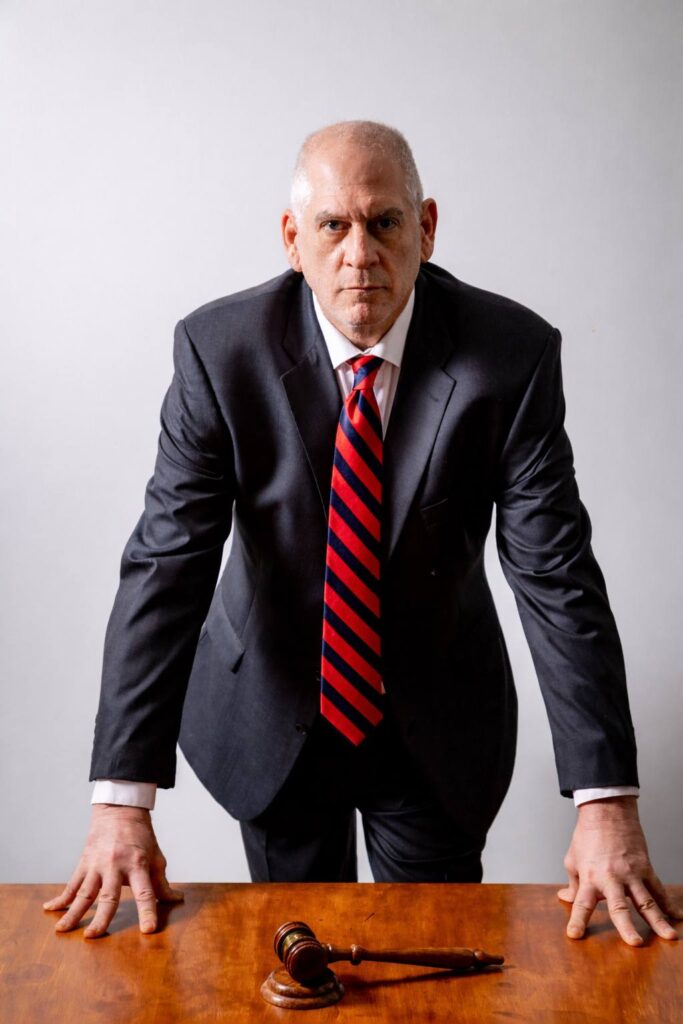
Because the deposition is not a neutral fact-gathering exercise. The lawyer asking the questions has a strategy, and the physician’s testimony will be used to advance it. Without counsel, the physician has no one in the room watching for improper questioning, overreach into privileged or irrelevant areas, harassment, or lines of inquiry designed to create impeachment material for later use. Counsel at the deposition is the difference between a record the physician can live with and a record the physician will spend years explaining.