Coverage questions arrive before liability questions are answered and have to be resolved without the benefit of a developed record. Whether a duty to defend attaches, whether a reservation of rights is adequate, whether an exclusion applies, how much is available across a tower, and whether a demand should be met are all decisions a carrier makes early, under time pressure, with real extracontractual consequences for getting them wrong.
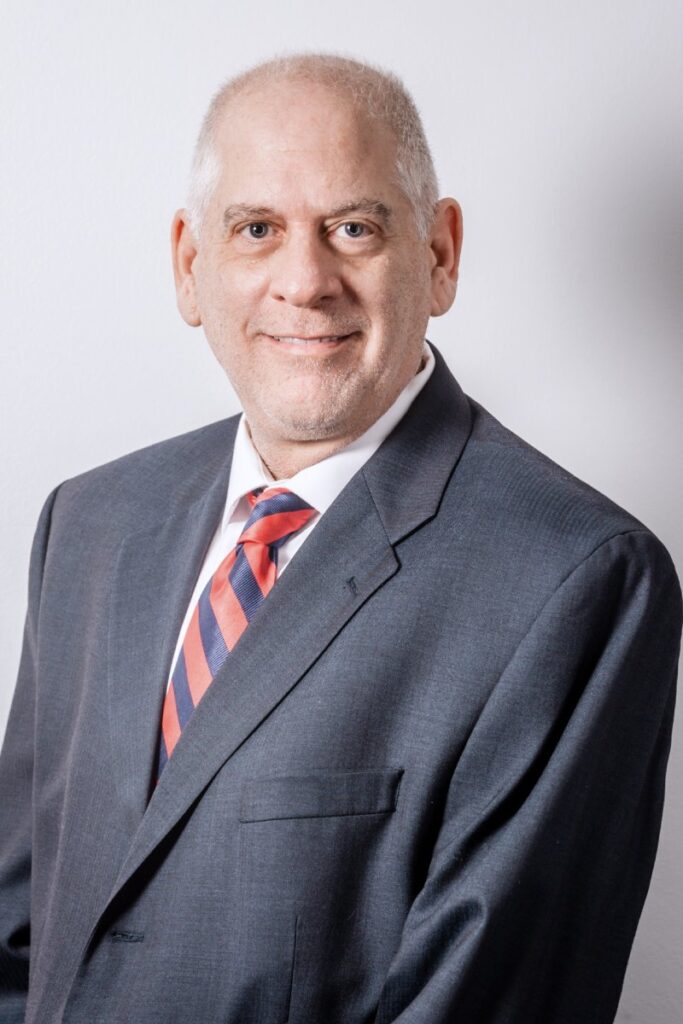
Topkin Law has served as coverage counsel for insurers, third-party administrators, and self-insured companies for more than two decades, issuing coverage opinions across a range of industries and litigating the disputes that follow. Managing Partner Sanford R. Topkin leads this work, and it is closely connected to the firm’s defense practice, where the same policies are read from the insured’s side of the table.
We analyze commercial general liability, umbrella and excess, liquor liability, commercial auto, professional liability, and property policies, and issue written opinions on the duty to defend, the duty to indemnify, exclusions and exceptions, additional-insured status, priority among policies, and the allocation of a loss across a tower. The deliverable is written for the people who use it, the claims professionals setting reserves and deciding on authority.
The duty to defend is broader than the duty to indemnify, and a reservation of rights that is late, vague, or not tailored to the pleadings creates problems that outlast the underlying case. We prepare reservations of rights and disclaimers, evaluate whether independent counsel is owed, and advise on defending under reservation without waiving the coverage position.
When coverage has to be adjudicated, we prosecute and defend declaratory actions in Florida state and federal courts, including questions of forum, timing relative to the underlying case, and whether a stay of the coverage action serves the client.

We defend first-party and third-party bad faith claims brought under Section 624.155, Florida Statutes, and under the common law. The 2023 amendments to that statute changed the terrain meaningfully. Mere negligence is now expressly insufficient to constitute bad faith, and an action involving a liability insurance claim does not lie where the insurer tenders the lesser of the policy limits or the amount demanded within ninety days of receiving actual notice of a claim supported by sufficient evidence of its amount. Those provisions are only useful to a carrier that recognizes the trigger when it arrives, and much of this practice is helping clients do that in real time.
A civil remedy notice filed with the Department of Financial Services is a condition precedent to a statutory bad faith action, and the statute provides a sixty-day window in which paying the damages or correcting the circumstances forecloses the claim. We evaluate CRNs on receipt, advise on whether and how to cure, and document the response so the record supports the carrier if litigation follows.
A substantial share of Florida bad faith litigation begins with a demand engineered to be difficult to accept, whether through a short fuse, ambiguous terms, conditions the carrier cannot verify in time, or an incomplete evidentiary package. We help carriers respond to these demands in a way that satisfies their obligations and builds the record, rather than reacting to the deadline.
Coverage and liability decisions affect each other continuously. Because the firm does both, the coverage position and the defense strategy can be developed together, with appropriate separation where the roles require it.
Insurance carriers, excess and surplus lines insurers, reinsurers, third-party administrators, captives, risk retention groups, and self-insured companies evaluating exposure across their own retentions and towers.







Our clients include physician practices across specialties, PIP clinics, surgery centers, diagnostic providers, and the management companies that support them. The firm represents providers in clawback and recoupment matters arising from the full range of carriers operating in Florida, including major P&C carriers such as Allstate, State Farm, Progressive, GEICO, USAA, Liberty Mutual, and Travelers, and commercial health and managed care payers such as UnitedHealthcare, Aetna, Cigna, Humana, and Florida Blue. The firm also handles matters involving Medicare administrative contractors, Medicare Advantage plans, Medicaid managed care organizations, and AHCA.
Our coverage opinions state the position, the authority supporting it, and the strength of the other side’s argument. A claims professional setting a reserve needs the weaknesses as much as the conclusions.
On the bad faith side, most of the value is early. The defenses and safe harbors available under Florida law depend on what the carrier did within specific windows, and the file that gets built during the claim usually determines the outcome of the extracontractual case years later.